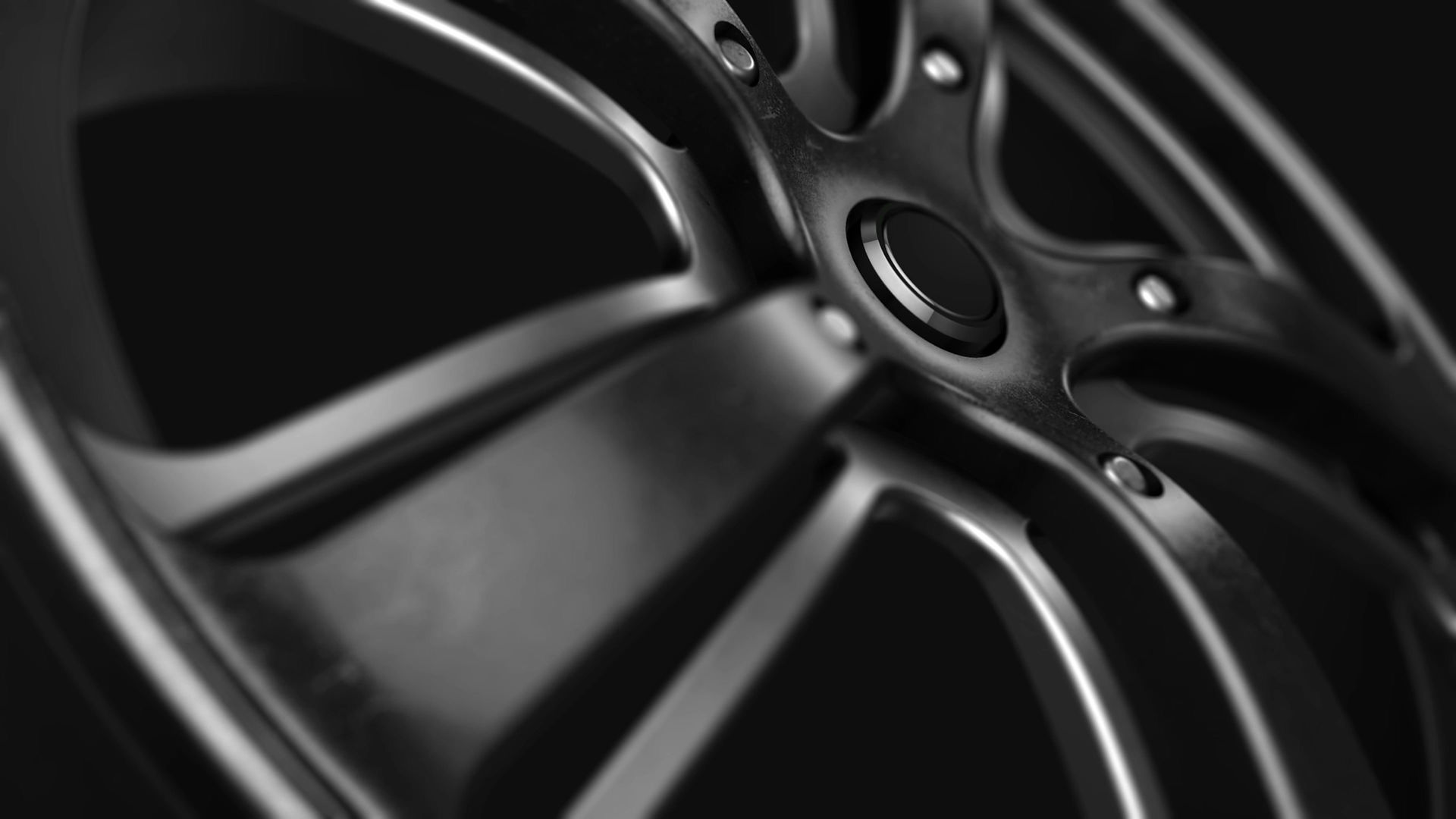

The advantages of adhesive balance weights in tire balancing machines
- enze6799
- Dec 8, 2025
- 4 min read
Advantages of Adhesive Balance Weights in Tire Balancing Machines
Enhanced Compatibility with Modern Wheel Designs
Adhesive balance weights are engineered to address the limitations of traditional clip-on weights, particularly for lightweight alloy wheels. Unlike clip-on variants that require a flanged edge for securement, adhesive weights utilize high-strength double-sided tape or specialized adhesives to bond directly to flat or curved wheel surfaces. This design makes them ideal for aluminum, magnesium, and composite wheels, which dominate modern vehicle designs due to their weight-saving properties. By eliminating the need for mechanical clamping, adhesive weights prevent structural damage such as scratches or deformations, preserving the aesthetic and structural integrity of premium wheels.
Seamless Integration with Aesthetic and Functional Requirements
The low-profile nature of adhesive balance weights allows them to conform to the contours of the wheel without protruding, maintaining a clean, factory-finished appearance. This is particularly advantageous for vehicles with exposed wheels or custom rims, where visual harmony is prioritized. Additionally, adhesive weights can be strategically placed in areas less visible to the naked eye, such as the inner lip of the wheel, further enhancing their discreetness. Their compact size and flexibility also enable precise weight distribution, addressing minor imbalances that clip-on weights might struggle to correct due to fixed attachment points.
Streamlined Installation Process and Time Efficiency
The application of adhesive balance weights involves a straightforward, tool-free process that reduces labor time significantly. Technicians simply clean the wheel surface to remove dirt, oil, or old adhesive residues, then peel off the protective backing of the weight and press it firmly into place. This contrasts with clip-on weights, which require specialized tools to hammer or clamp them onto the wheel, a process that can be time-consuming and physically demanding. The adhesive method also eliminates the risk of accidental damage to the wheel during installation, such as chipping or bending, which can occur when force is applied to secure clip-on weights.
Reduced Risk of Wheel Damage During Maintenance
Adhesive balance weights are less likely to cause long-term damage to wheels compared to their clip-on counterparts. Clip-on weights, especially when overtightened or used on soft alloy wheels, can leave permanent indentations or stress marks on the flange area. Over time, these marks may weaken the wheel structure or create points for corrosion to develop. Adhesive weights, by distributing pressure evenly across a larger surface area, minimize localized stress and reduce the likelihood of such damage. This makes them a safer choice for high-end vehicles or wheels with delicate finishes, where preserving the original condition is crucial.
Adaptability to Diverse Operating Environments
Adhesive balance weights demonstrate superior performance in environments where traditional weights might fail. For instance, in regions with extreme temperature fluctuations, high-quality adhesives are formulated to withstand both freezing cold and scorching heat without losing their grip. This ensures that the weights remain securely attached even during prolonged exposure to harsh weather conditions, preventing imbalances caused by weight detachment. Similarly, in off-road or rugged terrain applications, adhesive weights are less prone to dislodging due to vibrations or impacts compared to clip-on weights, which may loosen over time under repetitive stress.
Versatility Across Wheel Types and Sizes
The adhesive design allows for a wide range of weight sizes and shapes to accommodate different wheel diameters and imbalance magnitudes. Whether dealing with a small passenger car wheel or a large commercial truck wheel, adhesive balance weights can be customized to provide the exact amount of correction needed. This flexibility is particularly useful in dynamic balancing scenarios where multiple imbalance points exist, as adhesive weights can be applied in multiple locations to achieve optimal balance. Furthermore, their ability to adhere to both convex and concave wheel surfaces expands their applicability to a broader spectrum of wheel designs, including those with complex geometries.
Improved Driving Comfort and Safety
By ensuring precise wheel balance, adhesive balance weights contribute directly to a smoother, more stable driving experience. Unbalanced wheels can cause vibrations that transmit through the steering wheel, seats, and floorboard, leading to driver fatigue and discomfort, especially during long trips. These vibrations can also accelerate the wear and tear on suspension components, steering systems, and even the tires themselves, increasing maintenance costs and safety risks. Adhesive balance weights, by eliminating these imbalances, reduce vibrations and noise levels, enhancing overall ride quality. This not only improves driver and passenger comfort but also enhances vehicle handling and stability, particularly at high speeds or during emergency maneuvers.
Enhanced Tire Longevity and Performance
Proper wheel balance achieved through adhesive balance weights extends the lifespan of tires by promoting even tread wear. Unbalanced wheels cause uneven distribution of forces across the tire surface, leading to premature wear on specific sections of the tread. This not only reduces the tire’s useful life but also compromises its grip and traction, increasing the risk of skidding or hydroplaning in wet conditions. Adhesive balance weights, by maintaining optimal balance, ensure that tires wear evenly, maximizing their durability and performance. This translates to fewer tire replacements over the vehicle’s lifetime, resulting in cost savings and reduced environmental impact from tire disposal.


Comments