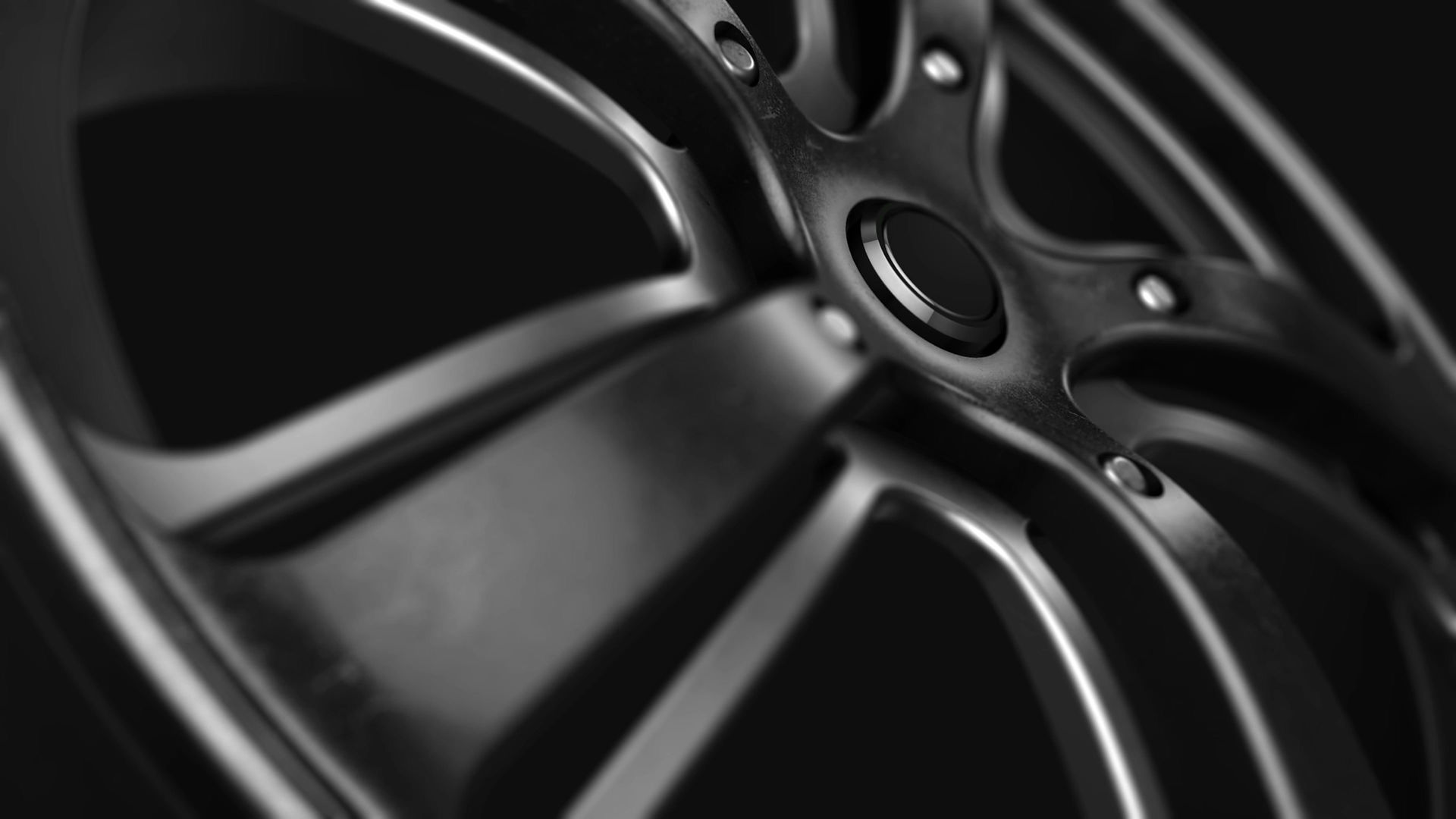

The balance weights are installed at the position of the tire balancing machine
- enze6799
- Dec 2, 2025
- 3 min read
Optimal Installation Positions for Balancing Weights on Tire Balancing Machines
Balancing weights are critical components for correcting tire and wheel imbalances, ensuring smooth vehicle operation. Their installation positions directly impact the effectiveness of the balancing process. Below is a detailed breakdown of where and how to install balancing weights when using a tire balancing machine.
Determining Imbalance Points
The first step in installing balancing weights is identifying the imbalance points on the wheel. A tire balancing machine detects these points by spinning the wheel and measuring vibrations caused by uneven mass distribution. The machine typically displays the imbalance location and the required weight in grams or ounces.
Imbalance points can occur on the inner or outer edges of the wheel rim, or both, depending on the wheel’s condition. For example, if the machine indicates an imbalance on the inner rim, the balancing weight must be placed on the inner edge. Similarly, an outer rim imbalance requires placement on the outer edge. In cases where both sides are imbalanced, weights are installed on both edges.
Installing Balancing Weights on Inner Rim Edges
When the imbalance is detected on the inner rim, adhesive balancing weights are commonly used. These weights are designed to stick firmly to the inner surface of the rim, away from visible areas. Before installation, the rim surface must be cleaned thoroughly to remove dirt, grease, or old adhesive residue. This ensures a strong bond between the weight and the rim.
The balancing machine will guide the technician to rotate the wheel until the imbalance point aligns with the 12 o’clock position. At this moment, the adhesive weight is pressed firmly onto the inner rim edge. Proper alignment is crucial to avoid miscalculations that could lead to residual vibrations.
Installing Balancing Weights on Outer Rim Edges
For imbalances on the outer rim, clip-on balancing weights are often preferred. These weights feature a metal clip that attaches securely to the outer edge of the rim. The installation process is similar to that of inner rim weights: the wheel is rotated until the imbalance point reaches the 12 o’clock position, and the clip-on weight is then fastened to the outer rim edge.
Clip-on weights are particularly useful for steel rims, which provide a sturdy surface for the clips to grip. However, they may not be suitable for alloy rims with delicate finishes, as the clips could scratch the surface. In such cases, adhesive weights can be used on the outer rim if the design allows for it.
Addressing Dual Imbalances (Inner and Outer Rims)
In some cases, the balancing machine may detect imbalances on both the inner and outer rims. This requires installing balancing weights on both edges. The process involves repeating the steps for each side: rotating the wheel to align the imbalance points with the 12 o’clock position and attaching the appropriate weights to the inner and outer rim edges.
Dual imbalances often occur in wheels that have experienced significant wear or damage, such as bent rims or uneven tire wear. Correcting these imbalances is essential for maintaining vehicle stability and preventing premature tire or suspension component failure.
Verifying Installation Accuracy
After installing the balancing weights, the technician must recheck the wheel’s balance using the tire balancing machine. This step ensures that the weights have been placed correctly and that the wheel is now balanced within acceptable limits. If the machine still detects residual imbalance, the technician may need to adjust the weights’ positions or add additional weights to achieve perfect balance.
Regular verification is important because road conditions, such as potholes or curb impacts, can dislodge or shift balancing weights over time. Periodic rebalancing helps maintain optimal vehicle performance and extends tire lifespan.


Comments