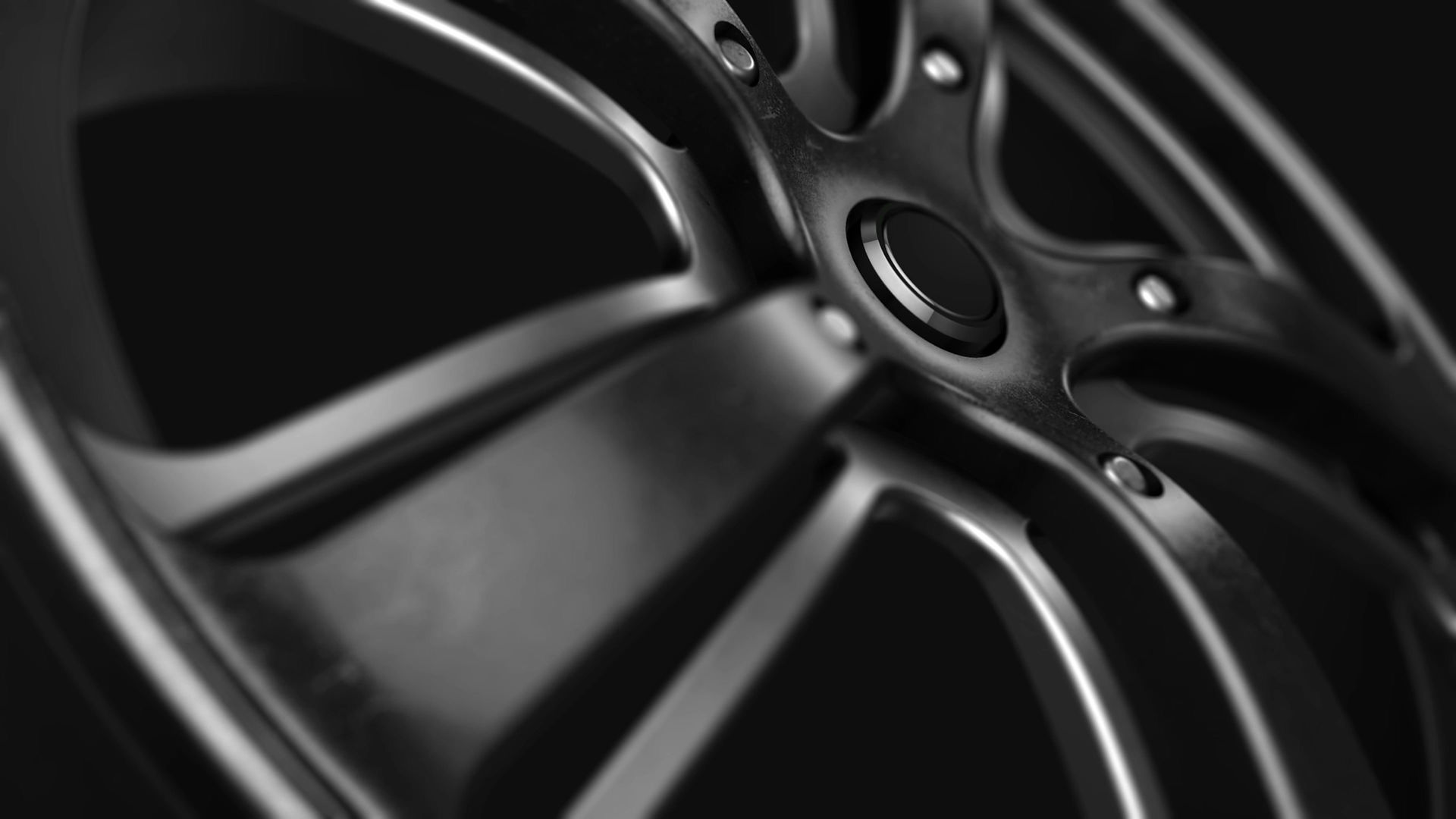

The connection between tire balancing machines and vehicle power systems
- enze6799
- Oct 30, 2025
- 3 min read
The Interplay Between Tire Balancers and Vehicle Powertrain Systems
Tire balancing machines are often associated with ride comfort and tire longevity, but their role extends deeply into vehicle powertrain performance. Unbalanced tires create dynamic forces that disrupt power transmission, strain drivetrain components, and reduce overall efficiency. This analysis explores how tire imbalances affect engine load, transmission stress, and drivetrain durability.
Engine Load Management and Fuel Efficiency
Unbalanced tires generate irregular rotational forces that propagate through the drivetrain to the engine. When a tire wobbles during rotation, it creates inconsistent resistance, forcing the engine to work harder to maintain speed. This phenomenon is particularly noticeable during acceleration, where the engine must compensate for vibrations by adjusting throttle input and fuel delivery.
Studies indicate that even minor imbalances—as little as 10 grams of uneven weight distribution—can increase engine load by up to 3%. Over time, this added strain reduces fuel efficiency by forcing the engine to burn more fuel to overcome resistance. For example, a vehicle traveling at highway speeds with imbalanced tires may consume 5% more fuel compared to one with properly balanced wheels. This inefficiency stems from the engine’s need to counteract lateral and radial forces generated by unbalanced tires, which disrupt the smooth transfer of power from the crankshaft to the wheels.
Transmission Stress and Gear Longevity
The transmission plays a critical role in managing power delivery, but unbalanced tires introduce variables that accelerate wear. During gear shifts, vibrations from imbalanced tires create shock loads that strain clutch plates, gear synchronizers, and bearings. These components are designed to operate within precise tolerances, and excessive vibrations can cause premature wear or misalignment.
For instance, automatic transmissions rely on hydraulic pressure to engage gears smoothly. Vibrations from unbalanced tires disrupt this pressure balance, leading to harsh shifts or slippage. Manual transmissions face similar risks, as clutch engagement becomes less predictable when vibrations interfere with flywheel rotation. Over time, these stresses reduce the lifespan of transmission components, increasing the likelihood of costly repairs. A study on drivetrain durability found that vehicles with regularly balanced tires experienced 20% fewer transmission-related failures compared to those with neglected tire maintenance.
Drivetrain Vibration and Component Fatigue
The drivetrain—comprising axles, differentials, and CV joints—is designed to transmit power efficiently. However, unbalanced tires introduce dynamic loads that exceed design limits. When a tire wobbles, it creates oscillating forces that travel along the axle shafts to the differential. These forces cause uneven wear on gear teeth and bearings, leading to noise, heat buildup, and eventual failure.
CV joints, which allow the axle to pivot during steering, are particularly vulnerable. Vibrations from imbalanced tires accelerate wear on the joint’s protective boots, causing grease leakage and contamination. Once compromised, the joint fails to lubricate properly, leading to metal-on-metal contact and catastrophic failure. Similarly, differentials must distribute power evenly between wheels, but vibrations disrupt this balance, causing one wheel to spin faster than the other. This imbalance strains the differential’s gears and clutches, reducing their lifespan by up to 30% in severe cases.
Practical Implications for Vehicle Maintenance
Balancing tires is not a one-time procedure. Events like tire rotations, repairs, or collisions can disrupt balance, necessitating frequent checks. Technicians use specialized machines to measure imbalance in both radial and lateral planes, adding weights to counteract discrepancies. For example, a tire with lateral imbalance may cause the steering wheel to shake at specific speeds, indicating the need for adjustment.
Drivers should prioritize tire balancing during routine maintenance, especially after replacing tires or wheels. Ignoring imbalances risks not only reduced fuel efficiency but also accelerated wear on powertrain components. A vehicle with balanced tires distributes power smoothly, minimizing stress on the engine, transmission, and drivetrain. This proactive approach reduces long-term repair costs and ensures optimal performance.
Conclusion
Tire balancing machines are indispensable tools for maintaining powertrain health. By eliminating vibrations, they ensure efficient power transfer, reduce component strain, and extend the lifespan of critical systems. Neglecting tire balance risks degraded fuel efficiency, transmission failure, and drivetrain damage—all of which compromise vehicle performance and safety. Regular balancing checks are a small investment that yields significant returns in powertrain longevity and reliability.


Comments