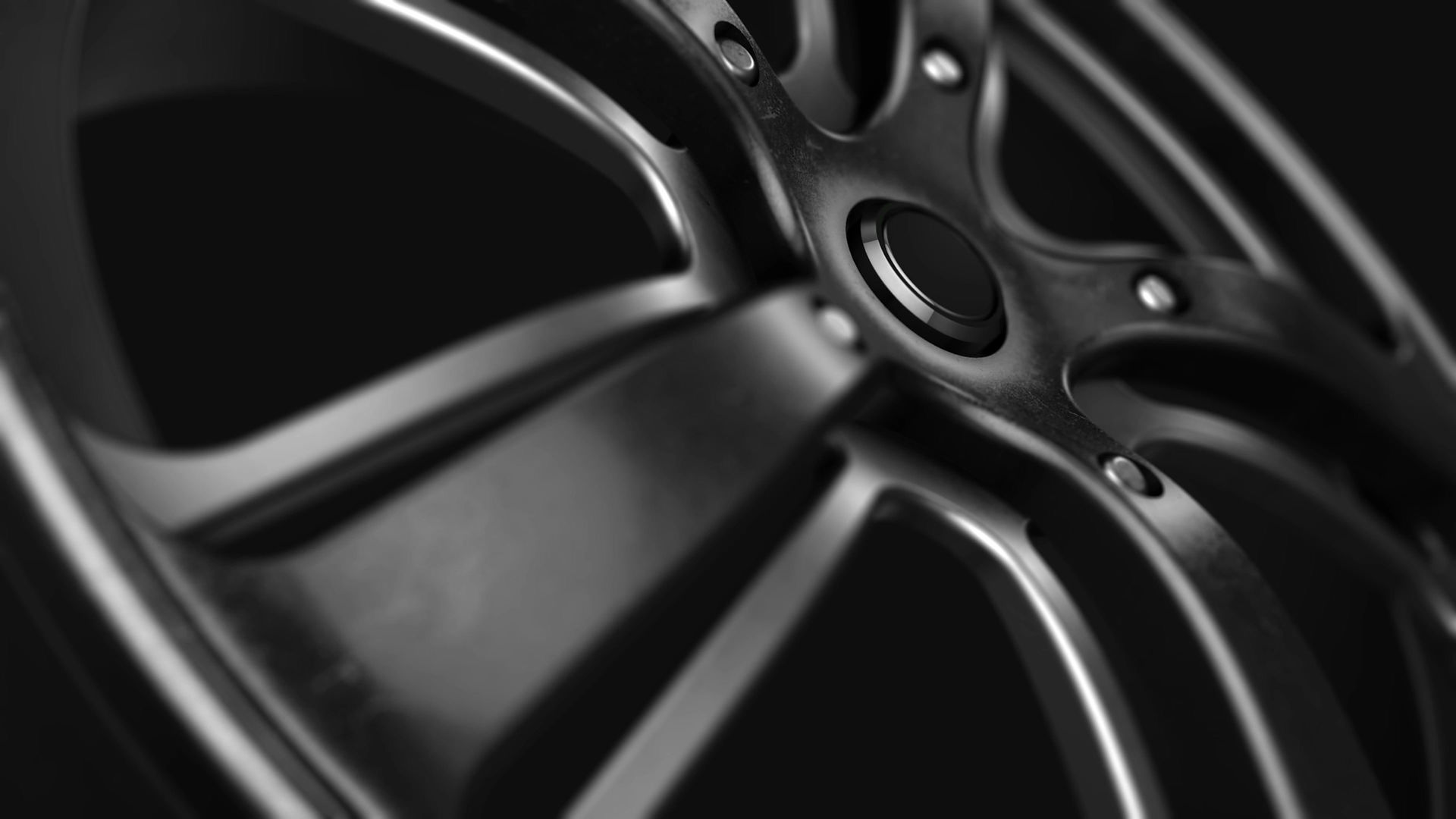

The corresponding relationship between balance weights and tire imbalance
- enze6799
- Dec 11, 2025
- 3 min read
The Correspondence Between Balance Weights and Tire Imbalance Amounts
Understanding Tire Imbalance and Its Impact
Tire imbalance occurs when the mass distribution around a tire's circumference is uneven. This imbalance can stem from manufacturing tolerances, uneven tire wear, or structural damage to the wheel. When a tire rotates, the uneven mass generates centrifugal forces, causing vibrations that affect steering stability, increase tire wear, and reduce driving comfort. For instance, a tire with a 30-gram imbalance at high speeds may produce noticeable steering wheel shake, while a 5-gram imbalance might only be detectable under precise measurement conditions.
How Imbalance Amounts Are Measured
Tire balancing machines quantify imbalance by calculating two key parameters: the magnitude of imbalance (in grams) and its angular position (in degrees). The magnitude represents the weight difference between the heaviest and lightest points on the tire, while the angle indicates the location of the imbalance relative to a reference point, typically the tire's valve stem. For example, a machine might display "25g at 90°," meaning a 25-gram imbalance exists at the 3 o'clock position on the tire. These measurements guide technicians in selecting the correct balance weights to counteract the imbalance.
Selecting Balance Weights Based on Imbalance Data
The relationship between imbalance amounts and balance weights is direct but requires precision. Balance weights are available in standardized increments, such as 5g, 10g, or 15g, allowing technicians to combine multiple weights to match the measured imbalance.
Weight Selection for Single-Plane Imbalances
For imbalances concentrated on one side of the tire (e.g., inner or outer flange), a single balance weight is typically sufficient. If the machine indicates a 20g imbalance on the outer flange at 180°, a 20g weight is placed at the corresponding position on the inner flange to create a counteracting force. This method ensures the tire rotates smoothly without wobbling. However, if the imbalance is split between the inner and outer flanges (e.g., 15g inner and 10g outer), two weights must be used to address both planes simultaneously.
Addressing Multi-Plane Imbalances
Modern tires often exhibit imbalances in both vertical and lateral planes, requiring a more complex approach. Dynamic balancing machines simulate real-world driving conditions by spinning the tire at high speeds and measuring forces in multiple directions. For example, a tire might show a 12g vertical imbalance at 45° and an 8g lateral imbalance at 135°. To correct this, technicians place weights at angles that offset both forces. A 12g weight at 225° (opposite 45°) and an 8g weight at 315° (opposite 135°) would restore balance. This process ensures the tire remains stable during cornering and braking.
Factors Influencing Weight Selection and Placement
While imbalance data provides a starting point, several practical considerations affect weight selection and placement.
Wheel Design and Material Constraints
The type of wheel—steel or alloy—dictates the attachment method for balance weights. Steel wheels typically use clip-on weights, which are secure but may damage alloy surfaces if overtightened. Alloy wheels often require adhesive weights, which are less intrusive but demand a clean, dry surface for proper adhesion. For example, a 10g adhesive weight placed on a dirty alloy wheel might detach during driving, creating a new imbalance. Technicians must also account for wheel width and diameter, as wider wheels may require smaller, multiple weights to avoid interfering with brake components.
Environmental and Operational Factors
Extreme driving conditions, such as high speeds or rough terrain, can dislodge balance weights or alter their effectiveness. A 5g weight might suffice for city driving but prove inadequate at highway speeds, where centrifugal forces increase. Similarly, a weight placed near a tire's tread might wear down faster than one on the wheel's inner flange. Regular rechecks are essential, especially after hitting potholes or curbs, which can deform wheels and introduce new imbalances. For instance, a wheel struck at 30 mph might develop a 15g imbalance that goes unnoticed until the next balance check.
Long-Term Maintenance and Adjustments
Tire wear patterns evolve over time, requiring periodic rebalancing. Uneven tread wear, caused by misalignment or underinflation, can shift a tire's center of gravity, necessitating additional weights. For example, a tire initially balanced with 10g weights might require 15g weights after 10,000 miles due to uneven wear. Technicians should also inspect weights for corrosion or damage, as rusted clip-on weights can lose mass, while degraded adhesive weights may fall off. Replacing worn weights with fresh ones ensures consistent balance and prevents secondary issues like premature tire replacement.


Comments